What we learned replacing our roof
The right contractor makes all the difference, and so does understanding what you are paying for.
What a roofing job actually involves
Tear-off and inspection
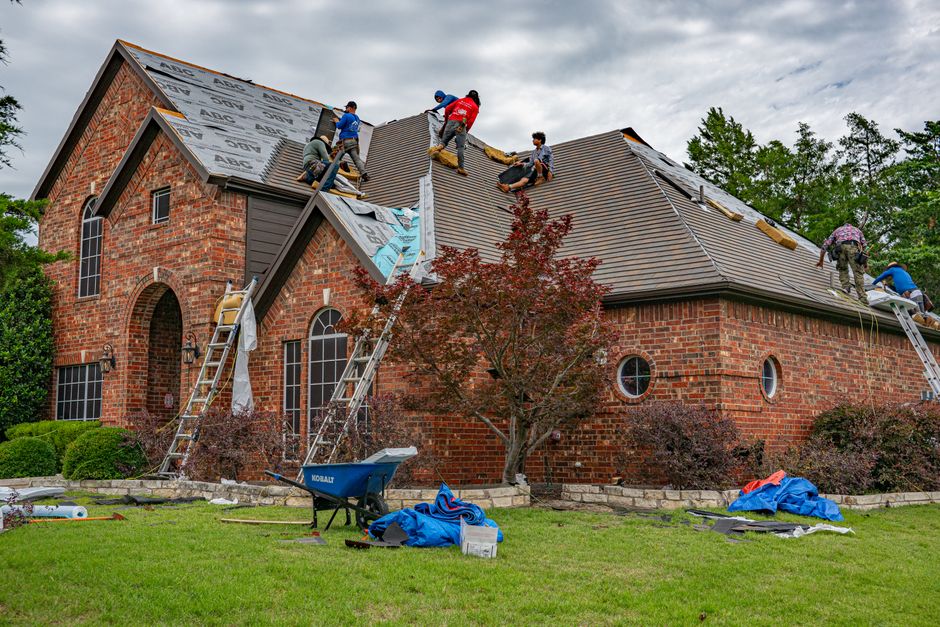
Before the new roof goes down, the old one comes off completely. This is when a good contractor finds out what you are dealing with: the state of the sheathing underneath, whether you have ice dam damage, water spots in the framing, or structural problems that need addressing before the new roof can protect you. During our tear-off, the inspector found two spots where water had penetrated the plywood, and neither would have been visible until serious damage occurred. A crew that carefully examines what is underneath and shares what they find is giving you the information you need to make good decisions about the job. This kind of transparency during inspection is what separates crews that are simply replacing your roof from crews that are protecting your home.
Flashing and underlayment
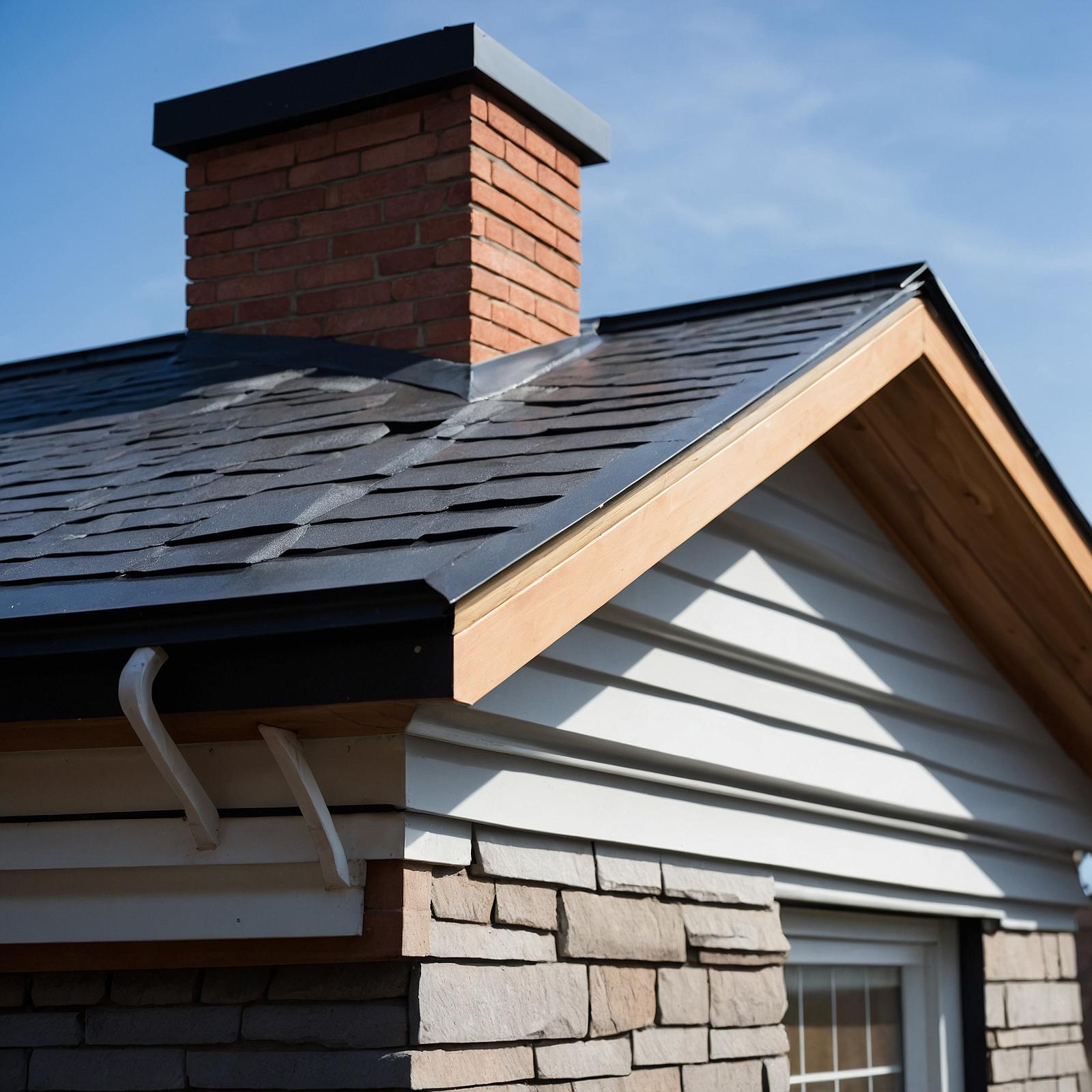
Most roof leaks do not come through the shingles themselves; they come around flashing at edges, valleys, vents, and chimneys. This is where a crew's skill shows, because flashing is less visible than shingles but far more important. We watched our roofers spend as much time on flashing details as on shingles, and it was the right call—every joint sealed, every seam overlapped, every piece fastened twice. When you are comparing roofers, ask each one about their approach to flashing specifically. The underlayment that goes down before the shingles is equally critical, especially on a metal roof where condensation matters, or in a climate like ours with heavy snow load and freeze-thaw cycles. A crew that does not rush these invisible layers is building you a roof that will last without leaks.
Material and weather
Shingles cannot be installed in rain or cold, so weather delays are normal and actually a sign of professionalism. Storage matters too: shingles left in the sun on a summer job get soft and can tear during installation, which is why good crews keep them in the shade and only open what they are going to use that day. Installation temperature matters—too cold and the sealant strips do not bond; too hot and the shingles can slip. A crew that pays attention to these details and that respects the weather instead of fighting it is building you a roof that will be properly installed, not just quickly installed. This attention to conditions is exactly why the crew that did our roof insisted on waiting for the right temperature, even when we were eager to finish.
Gutters and downspouts
A new roof sends water to your gutters, and gutters that do not drain properly will cause damage to your fascia, soffits, and foundation over time. We added new gutters at the same time, which meant better water management and a cleaner line along the roofline. The pitch of the gutters matters—they should slope slightly toward the downspouts—and the size of the downspouts should match the roof area they are draining. We also learned that leaf guards sound good in theory but catch debris instead of leaves, so regular cleaning is still necessary. A contractor who thinks through the whole water management system is worth more than one who just puts shingles on and considers the job done.
How to spot a good job
When your roof is done, you cannot see most of the work that mattered. But you can see whether the lines are straight, the shingles are aligned, and the edges are tight. You can ask the crew to walk you through the flashing they installed, the ice dam shield they added, and how they sealed every joint. Watch how they handle cleanup—nails and debris left behind are a sign the crew does not care about the details. A good crew will leave your property cleaner than when they started, will protect landscaping with tarps, will sweep for nails before they leave, and will return to haul away the final scraps when the dumpster is picked up. These are not luxuries; they are signs that a contractor takes pride in their work and respects your home as much as you do. When we walked our roof with our contractor after installation, he pointed out things we would never have understood, from the purpose of the ice-and-water shield to why certain details matter in our climate. If your house has a low-slope porch or addition, Select Pro Contracting has a useful page on choosing a flat-roof contractor that covers the same ground.
Before you call a contractor
By the numbers
- 22squares of shingles
- 6+days on site
- 4crew members
- 30%was flashing work
What to look for when work is complete
After your crew leaves, you will want to inspect the finished work before final payment. Walk around the perimeter with binoculars to check for straight lines, consistent overlap, and proper nailing patterns. Look at the valleys and edges to ensure shingles are cut cleanly and sealed properly. Check that all vents, pipes, and flashing are sealed and that water will flow correctly to the gutters. The ridge cap shingles should be straight and properly fastened, and the flashing at the chimney should be sealed on all sides. If anything looks misaligned or incomplete, take photos and ask your contractor to fix it before you sign off on the job. A professional crew welcomes inspection and will correct any issues without argument. The same attention to detail applies whether you are replacing a roof or having new siding put on. Inspect the lines, the seams, and the finish before final payment. This final check protects your investment and ensures the work will perform as promised.
What people told us
We were nervous about the cost until our contractor showed us the damage behind the sheathing. What looked like routine roof work turned into structural repairs, but the honesty was worth paying the extra. The roof is done right now.
Do not skip the flashing. We learned that the hard way. Our first roofer used too much tar and too few fasteners on the valleys, and we had water coming in two years later. A second contractor fixed it right, but it cost time and money we did not have to spend.
Questions you will be asked
How old is your current roof?
A roof that is 20 years old is near the end of its service life, especially in our climate with freeze-thaw cycles. If it is over 25 years old, replacement is usually the better choice than repair.
What material do you want?
Asphalt shingles are the standard and the most affordable. Metal, slate and other materials cost more but last longer. The same applies to siding: understanding the cost of various options before you get estimates helps you compare apples to apples. The type you choose affects both the labor time and the total cost.
Do you need structural work?
Rotten sheathing or damaged framing has to be fixed before the new roof goes on. A contractor who finds this and tells you upfront is doing their job. Select Pro Contracting explains their roof repair work in Pembroke if you want to see how a repair visit is scoped.
How will you handle debris?
A good crew contains the debris under tarps and hauls it daily. A crew that leaves piles of waste on your lawn is cutting corners in places you cannot see.
Finding the right contractor
The difference between a crew that treats your home as their own work and one that is just moving to the next job shows up in how they handle the details nobody can hide: the lines of the shingles, the neatness of their flashing, the cleanup at the end of every day. We looked at multiple bids, asked questions about warranty and insurance, and talked to a crew we had worked with on siding. That conversation led us to Select Pro Contracting, a Pembroke crew, and we have not regretted it. Their crew spent time explaining every choice, answered every question we had, and did not rush the work even when their schedule pressed them. When we are ready to add siding next year, we will call them again, because they were the one bidder who explained what moves the price of vinyl siding (the panel grade, the trim and whether the old layer comes off) before they gave us a number.
When you are ready to start, check your city or town building department to see what permits are required and whether the inspector will want to see the roof after installation. The permit process protects you if something goes wrong and you need to file an insurance claim. Most municipalities require a building permit for a roof replacement, and some require final inspection. Do not skip this step even though it takes time, because a permitted job is documented in your property records and gives you legal recourse if the work fails.
Other resources worth looking at as you plan:
- checking contractor licensing and insurance — what questions to ask before you hire
- what to watch for during the job — how to spot work being done right