How to Guide Your Own Roof or Siding Project
A practical walkthrough for homeowners who want to understand their options and make an informed decision.
Why this is harder than it looks
A roof or siding project looks straightforward on the surface: measure the work, get a price, hire someone to do it. The reality is that material choices, timeline expectations, and crew qualifications vary widely, and small differences in any of them can mean the difference between a project that lasts thirty years and one that creates problems within five. The stakes are high because your home's envelope keeps weather out, and a bad installation can hide damage for months or years before it shows up as water in your living spaces. We learned this the hard way after our first roof work, when a crew completed what looked like a perfect installation but had skipped critical steps on the flashing. The visible damage from water intrusion didn't appear until months after they'd left. Having worked through several projects since then, we want to help you navigate these decisions with clearer information and realistic expectations about what to evaluate and what to ask.
The most important step is understanding what you're actually evaluating, rather than rushing to the cheapest quote. Different contractors will interpret your needs differently, and your job is to make sure they're all answering the same question. Some crews focus on speed and low cost, while others prioritize meticulous technique and stand behind their work with longer warranties. Neither is inherently wrong—it depends on whether you're replacing a roof that failed early or maintaining one that's near the end of its natural life. If you have specific questions about your situation, we're here to help — and if you want to work through the decision on your own, this guide walks through the thinking step by step.
The foundation: what matters before you call anyone
Start with the basics of what you're looking at. A roof project could mean a full replacement, a re-roofing over existing shingles, or simply repairing damage to a section of the house. Each of those is a different scope, and what works as a budget solution in one case might be false economy in another. Siding has similar variation—replacement of damaged sections versus a full wrap with new materials versus painting and repair on existing work. Before you talk to anyone, spend time understanding the current condition of your roof or siding and whether the issue is localized or systemic. A problem on one side of the house has very different implications than damage across the whole structure.
Take photographs from the ground of any visible damage, water marks, or areas that look different from the rest of the surface. Photograph the same area from multiple angles so contractors can see the full context. Note whether problems appear in one spot or across the whole roof or wall. If you have an attic, look for water stains, mold, or daylight coming through, and document those too. This photographic record becomes the reference point for every conversation you have with contractors, and it prevents anyone from claiming they never saw the damage or from adding charges for conditions that were already present.
Look up your home's original construction date and your house's last roof or siding work if you can find the documentation. Most roofs last twenty to thirty years depending on material and climate; most siding lasts fifteen to forty years. Knowing what year your current roof was installed tells you whether you're at the end of its useful life or facing a problem that happened early, which changes the conversation about what kind of solution makes sense. If the roof is at year twenty-five on an asphalt system, replacement might be more economical than repair. If it's at year eight and you have unexpected failure, that points toward a defect that might need investigation or warranty work from the original installer.
Walking through the steps from start to finish
Document the current state with photos and notes
Photograph the problem areas from multiple angles and distances, and record whether the issue is new or has been present for a season or two. Note the color and material of the existing roof or siding, and look for any visible wear patterns or previous repair work. Include any context about maintenance—have gutters been cleaned regularly, or do they sit clogged for months—because these details affect what goes wrong.
Research the most common materials for your climate
Different regions favor different materials for good reason—asphalt shingles in moderate climates, metal roofing in areas with heavy snow load, vinyl or fiber cement siding depending on humidity and wind exposure. Talk to neighbors about what they've chosen and how long it has lasted. Browse local contractor websites to see what material combinations appear most often, and ask why those materials dominate in your area.
Get written quotes from at least three contractors
Each quote should specify the exact material, the scope of work, the removal of old material if applicable, and a timeline. Avoid verbal estimates or phone quotes, which create confusion later. A good quote takes time and shows that the contractor inspected the work themselves rather than making assumptions based on your description. Written quotes let you compare apples to apples and serve as a reference if a dispute arises about scope.
Ask every contractor the same baseline questions
Are they licensed and insured in your state? How long have they been doing this type of work? What is their warranty on labor and materials? Will they provide references from work completed in the last two years? What happens if weather delays the project? These questions should be asked of everyone so you can actually compare their answers.
Check each contractor's references and licensing
Call at least two references for each contractor, and ask those homeowners specifically about timeline accuracy, cleanup, and how the roof or siding has held up over time. Ask whether they'd hire the same contractor again. Verify the contractor's license number with your state's licensing board to make sure they're current and have no complaints on file. A contractor with an active license and satisfied customers has skin in the game.
Compare the quotes side by side
Don't just compare price—compare material specifications, labor guarantees, cleanup responsibility, and timeline. The cheapest quote often skips steps that prevent problems later, so look for the contractor who is detailed about what they're doing and why. A contractor who explains their process in detail is more likely to execute carefully than one who glosses over the technical questions.
Recommended reading
Installation of Drip Edge at Eaves and Rakes at the Asphalt Roofing Manufacturers Association — a free bulletin on an edge detail that is easy to skip and worth asking your roofer about. Understanding the technical requirements helps you evaluate whether a contractor is knowledgeable about what matters. The manufacturers themselves publish these guides so homeowners can check that work is being done to specification.
What to notice about installation quality
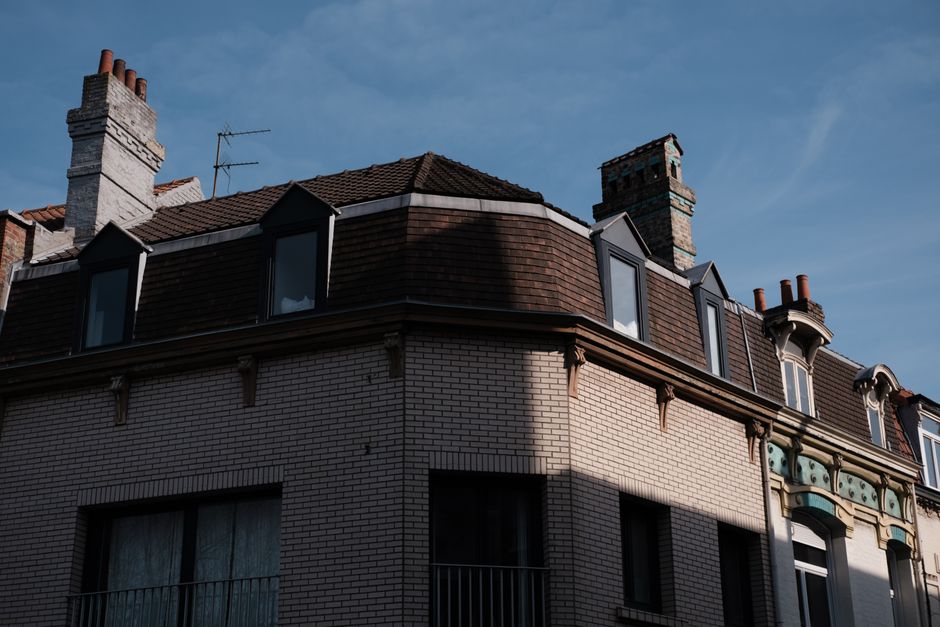
When you look at contractor references and driving past their completed work, pay attention to the details that signal whether a crew approaches the job as a craft or just a transaction. Quality roofing installations have straight, aligned shingles with consistent nailing patterns and properly sealed seams. Quality siding work shows tight corner pieces, no gaps where sections meet, and flashing that is properly installed and sealed. These details matter because they're the difference between a roof that sheds water reliably for thirty years and one that develops leaks in year five. A contractor who is careful about details in the visible areas is likely to be equally careful about the hidden work that you can never inspect—the underlayment, the flashing, the fastener placement.
What you're actually deciding between
The real choice is not between roofing materials in the abstract—it's between materials, contractors, timeline, and budget all balanced together. A premium material installed by a distracted crew on a schedule that doesn't allow for proper technique is worse than a mid-range material installed carefully by people who have done thousands of roofs. The contractor's reputation for quality and their understanding of your specific house matter as much as the material itself. You are not buying a commodity; you are hiring someone to make decisions on your behalf while they're on your roof or siding, and that requires trust and confidence in their judgment.
A good roofing or siding job protects your home for decades, but a rushed job on the cheap can turn into expensive water damage within a few years.
This is why comparing quotes requires reading between the lines. A quote that comes in significantly lower than others might reflect shortcuts rather than efficiency. A quote that is vague about specific details is a sign that the contractor hasn't actually thought through what they're doing or worse, that they don't want you asking questions about their methods. Choose the contractor who took time to understand your house, who gave you specific technical details, and who answered your questions directly. The conversation itself tells you something about whether you can trust the person holding the nail gun.
Consider your own timeline too. Some contractors can start sooner but might rush the work. Others have a longer lead time but are meticulous and protective of their reputation. If your roof has active leaks, you might need faster service and should be willing to pay for it. If you're planning ahead before a problem becomes critical, you have the luxury of waiting for a contractor who is known for quality and careful work.
When it's time to call a professional
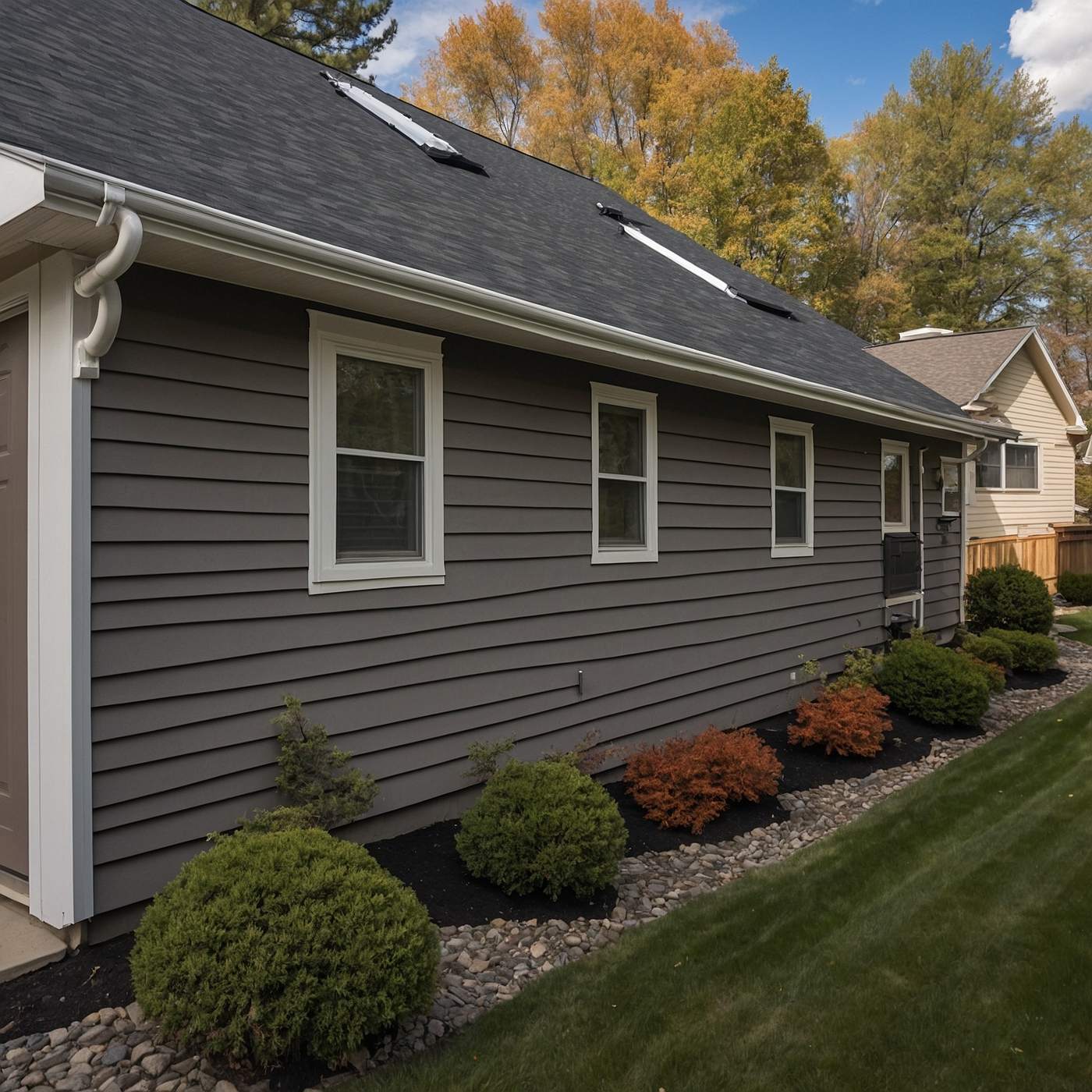
Some roof and siding work is straightforward enough for a confident homeowner, but most of it isn't. Roofing work above one story is inherently dangerous—a fall from a ladder or a roof can be fatal, and the equipment and safety training make it a job for specialists. Structural evaluation requires someone who can tell the difference between cosmetic wear and actual failure. Water intrusion diagnostics need someone who understands how water moves and where it hides, because water often travels in unexpected directions before it shows up as damage inside. Your job is to provide the information and context; the contractor's job is to make the technical judgment about what solution solves the real problem.
As the National Roofing Contractors Association explains in its homeowner guidance, roofing problems after weather damage are worth having a professional look at before they spread. We found this especially true when a small leak turned out to be a flashing problem rather than a shingle problem, and the difference between diagnosing it quickly and letting it persist for a season was thousands of dollars in interior water damage. A professional inspection after a storm or ice event can catch problems before they become expensive.
Questions to ask before you sign
- What is your warranty on the labor, and for how long?
- Some contractors warranty their work for one year, others for five or ten. A longer labor warranty shows confidence in their installation technique. Material warranties often come from the manufacturer and are separate from labor warranties, so understand both sides of the guarantee.
- Will you remove the old material or leave it in place?
- This affects both the final appearance and the long-term durability. Re-roofing over existing shingles adds weight and can hide problems in the original roof. Full removal is more expensive upfront but allows inspection of the substrate and prevents future water from being trapped between layers.
- How long do you expect this to take, and what delays you most often?
- Weather is the main variable, but so is waiting for material delivery or discovering additional work once they open up the roof. A contractor who is honest about timeline risks is more likely to deliver what they promise than one who gives an estimate without caveats.
- What happens to the property during the work?
- Will they tarp your house during breaks? What about cleanup at the end of each day? Who is responsible for protecting landscaping or parked cars? These details matter more than you'd expect, and they show whether a contractor thinks about the homeowner experience.
- How much is the deposit, and when is the balance due?
- Standard practice is a deposit to reserve the crew (usually 25–50%), with the balance due upon completion. Be wary of contractors asking for payment in full before work starts, and never wire money to someone you've just met without a contract.
These conversations should feel straightforward and professional. If a contractor is evasive, impatient with questions, or pressuring you to decide quickly, that's a sign to keep looking and continue talking with others. The right contractor is confident enough to answer every question directly and happy to let you take time to decide. They know good work speaks for itself, and they're not afraid to let you check references and verify their license.