Financing
How homeowners actually pay for major roof and siding work, with practical guidance on timing, quotes, and the options worth considering before work starts.
What a re-roof or re-side actually costs a household
A roof replacement or siding upgrade can cost anywhere from eight thousand dollars to forty thousand or more, depending on the size of the house, the materials chosen, and the complexity of the installation. Most homeowners don't budget for this kind of expense in advance, which means the financial planning often happens under a time crunch—the roof has started leaking, or the siding is showing damage—and the work needs to happen before winter. We've walked through this decision from the saving phase to the quote phase to the payment phase over the course of several projects, and we've learned that thinking through the financing options before you get an estimate is a lot easier than rushing to figure it out after.
The contractors we've worked with almost never offer financing themselves, and the ones we'd recommend most highly don't need to—they stay busy because their work speaks for itself, and they let you figure out the funding on your own schedule.This page covers how we've approached the financial side of major home improvement work, the questions we ask ourselves about the right time to undertake the project, and the options we've considered or actually used to make it affordable without forcing shortcuts on the work itself.
Deciding how to pay before the first estimate arrives
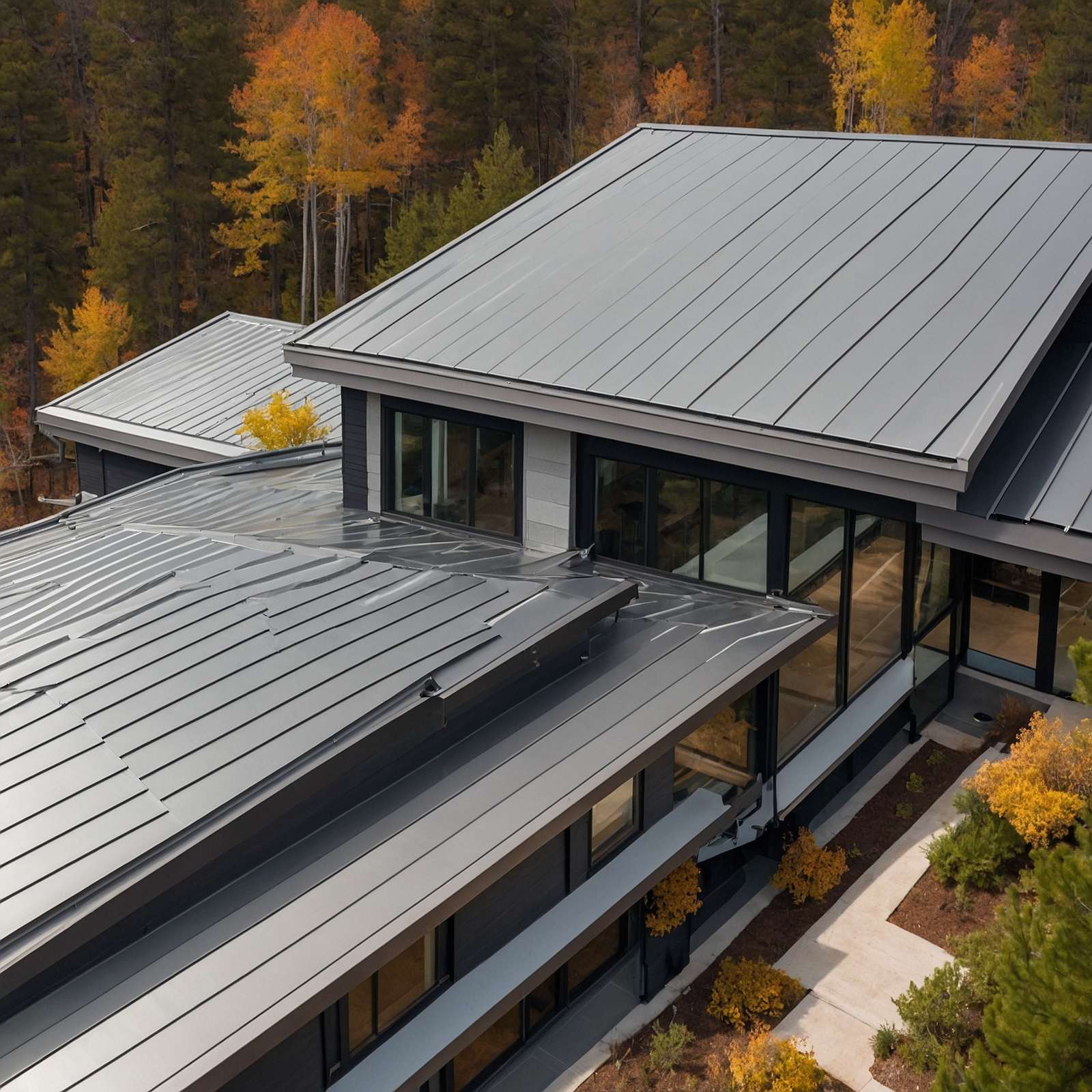
Before you call a contractor or get quotes, it's worth thinking about how you'll actually fund the work and what constraints that places on your choices. Some families have savings available and view a roof replacement as money out of savings; others have home equity they can borrow against; still others are looking at the project as one where they need to spread payments. The estimate amount will be high enough that the financing mechanism matters to your decision. Know your budget and your tolerance for debt before you get the first quote, because a contractor will always be happy to outline payment plans or financing options to make the sale, and you don't want that sales conversation to drive your financial decision. We always request the full estimate first, with a line-by-line breakdown of materials and labor, and only then do we think through what we're actually comfortable paying. If the project is more expensive than we expected, we revisit our material choices before we revisit our financing strategy—which means choosing asphalt shingles instead of metal roofing, or vinyl siding instead of a higher-grade product. This approach has kept us from borrowing more than we needed, because we've tied our financial commitment to the scope of work rather than the other way around.
Common sticking points and how to think through them
When the estimate comes in higher than expected, the pressure to cut costs is real. Don't respond by cutting labor quality; respond by cutting materials. A cheaper crew doing top-tier work is always better than an expensive crew doing mediocre work. That said, there are legitimate ways to make a project more affordable. Asphalt shingles instead of metal roofing saves money without sacrificing durability—it's the most common choice for residential roofing for exactly this reason. Vinyl siding instead of fiber cement offers similar protection at a lower cost. What you don't want to cut is the flashing detail, the gutter slope, the fastener spacing, or the underlayment quality, because those are the elements that determine whether the roof or siding actually protects your house or just looks like it does for a few years. We've also learned to ask contractors about partial work—reroofing the south side of the house, where wear is worst, in one year, and the north side the next year. This isn't always practical or cheaper, but sometimes it is, and you'll never know if you don't ask. Home equity lines and personal loans from banks or credit unions usually have better terms than financing offered directly by contractors, so explore those first. Get multiple contractor estimates before committing to financing, because a difference of five or eight thousand dollars between estimates makes your loan amount quite different.
Making the decision
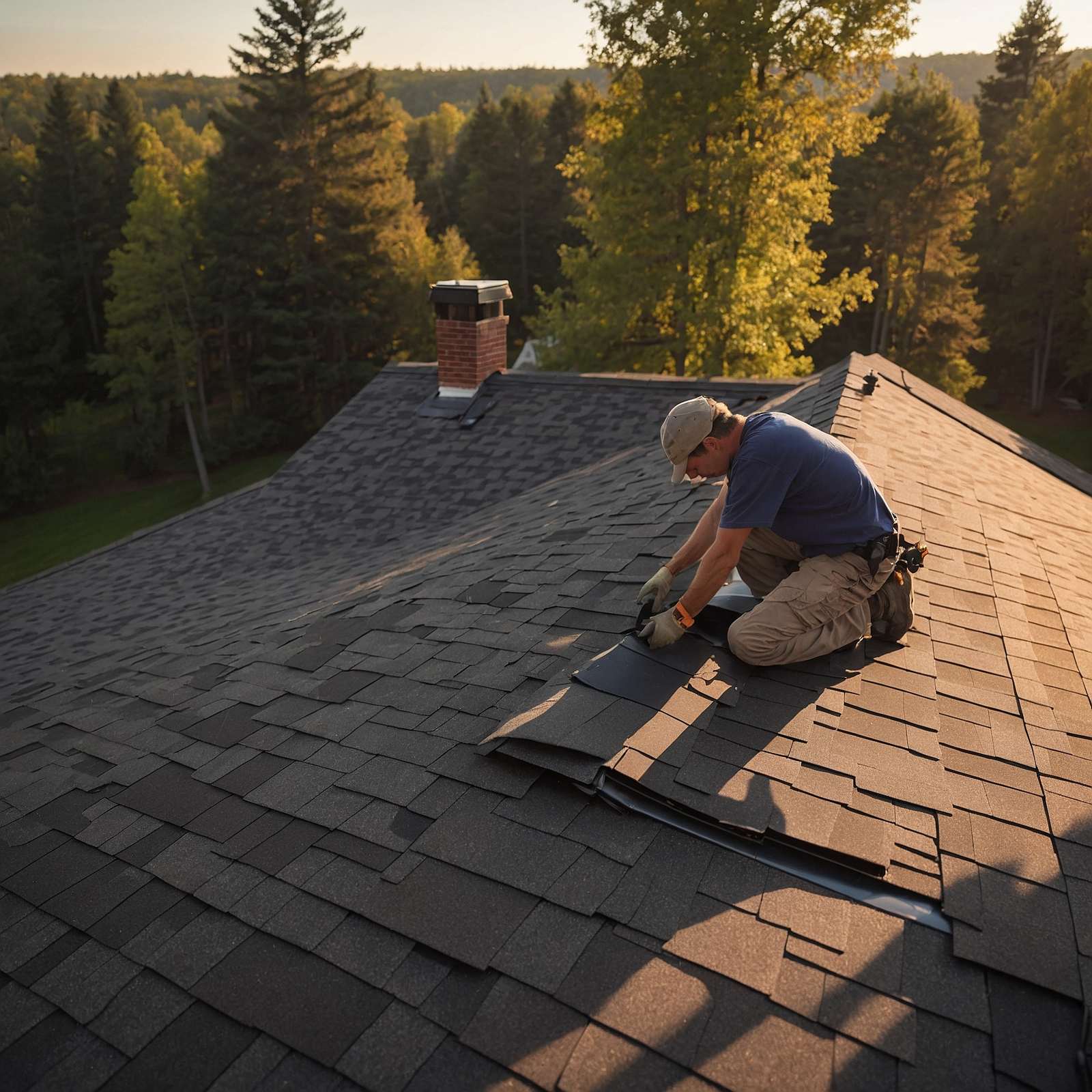
Timing your home improvement project is partly about the season—roofing and siding work both happen best in dry weather—but it's also about your financial readiness. We don't recommend waiting for a crisis to force the project, because a roof that's actively leaking puts you in a weak negotiating position and limits which contractors will take the job. Instead, we recommend doing the visual inspection early, getting a sense of the timeline—does the roof need work in one year or five years?—and then starting to plan financially once you have that clarity. If you know you have two or three years before the roof needs replacing, you can start setting money aside or building your home equity position. If the roof is already failing, then you're working within whatever financial constraints you have right now, but at least you're not surprised by the cost. And once you've chosen your financing path and your contractor is lined up, the actual work almost always happens faster than you expect. Most roofing projects take one to three days. Siding projects take longer, often a week or more, but they're far less disruptive to your household than the financial stress of making the decision itself. That's why we put so much emphasis on planning the financing side as a separate conversation from choosing the contractor.
Ready to make this decision?
If you're at the point where you need an estimate or you want to walk through the options with someone who's been through this before, we're happy to discuss your specific situation. The financial side of home improvement work is rarely glamorous, but it's just as important as the quality of the work itself—maybe more important, because a bad financial decision can push you toward a bad contractor choice, and then you're stuck with both problems at once. Send us your questions about timing, financing options, or how to evaluate an estimate you've already received.