Service Areas
The South Shore towns this diary knows first-hand
This page covers the towns and neighborhoods of the South Shore of Massachusetts where we have lived, worked, and documented roofing and siding projects since 2018. We use "service areas" as shorthand for the specific regions we know well enough to speak about from actual, direct experience rather than distant theory or internet research. The South Shore is a specific geography with distinct and quite particular climate characteristics that shape what fails first on the houses that sit there. The older housing stock in many towns, combined with year-round weather that is genuinely tough on roofs and exterior siding materials, creates patterns of problems that repeat from house to house. A diverse mix of home ages and construction styles means that different neighborhoods face different challenges and issues—what fails first on a 1950s cape is not what fails first on a 1980s colonial, and that variation matters. By documenting the work we see in our own projects and watching the projects done by others, we have learned which materials actually perform in these specific coastal and near-coastal conditions. We have seen what problems tend to show up first in homes of particular ages or construction styles, and we have learned how weather exposure on the coast differs fundamentally from inland exposure in ways that genuinely matter. This page breaks down our knowledge by town, describing the housing stock you will find there, listing the roofing and siding issues we have seen most commonly in each area, and explaining how geography and climate shape what deserves your attention first. If your house is in one of these areas, you can use this information to understand what specific questions to ask when you hire a contractor and what issues to watch for over time as your house ages and weathering accumulates.
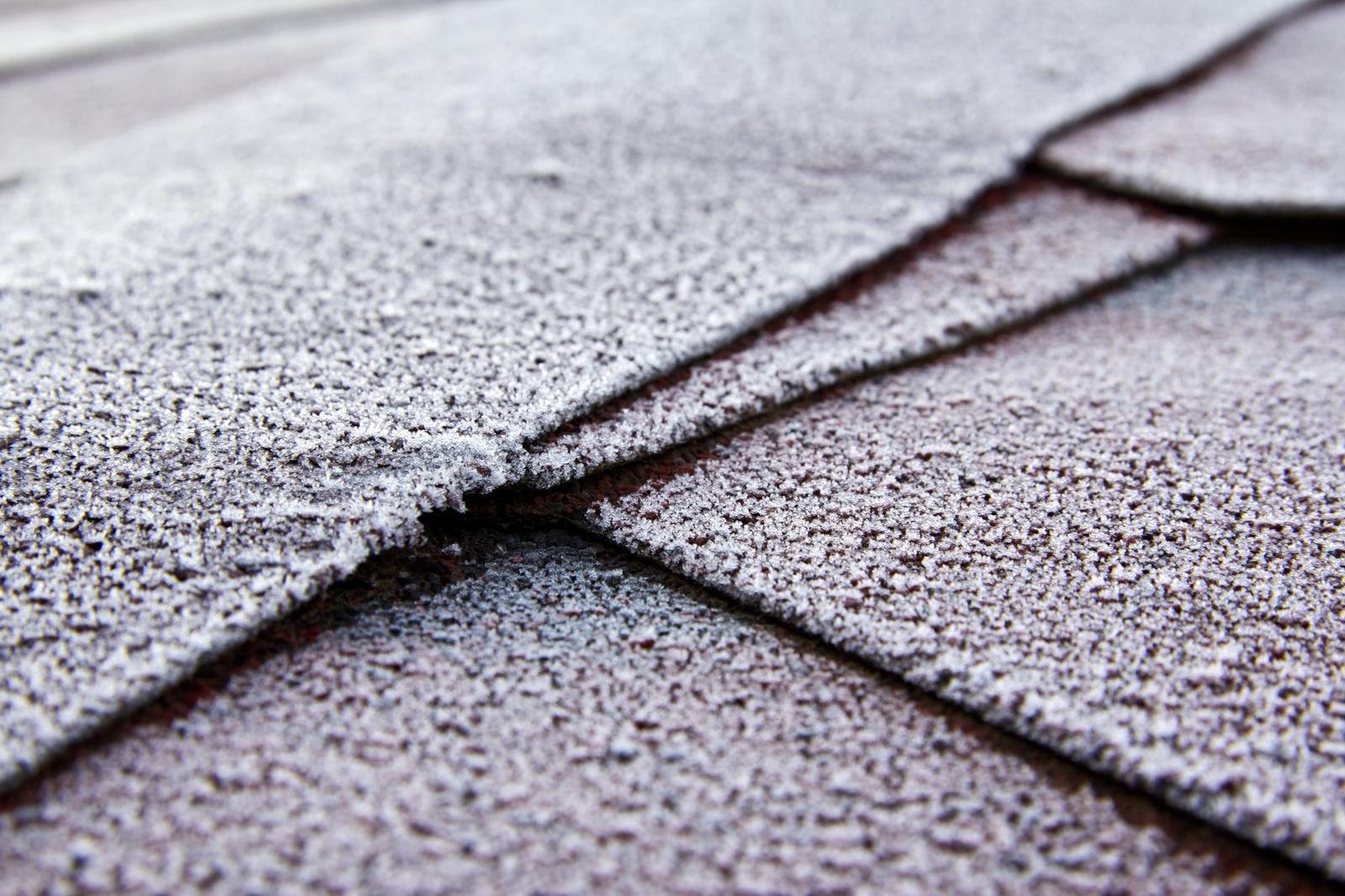
Town by town: housing stock and what the weather does to it
| Town | Housing stock | Primary roofing issues | Siding considerations |
|---|---|---|---|
| Scituate | Colonials, capes (1960s–1980s) | Salt air deterioration, flashing at dormers | Vinyl siding rot from salt exposure |
| Cohasset | Ranches, contemporaries (1970s+) | Steep slopes, ice dam risk in cold snaps | Board and batten weathering, copper gutters oxidation |
| Hingham | Mix of Victorian and mid-century | Slate repairs, metal roof seams, flashing | Wood siding paint failure, trim rot |
| Duxbury | Historic homes, additions (pre-1950 mixed) | Wind damage, shingle lift, gutter pull | Historic cladding preservation, lead paint |
| Pembroke | Colonials, split-levels (1960s–1980s) | Ice dam formation, eaves ice buildup | Aluminum siding deterioration over time |
| Marshfield | Small homes, seasonal (pre-1950 mostly) | Salt air damage, shingle curling, flashing | Salt-damaged wood exterior, paint peeling |
| Weather patterns are the main driver: coastal exposure means year-round salt air, nor'easters with wind-driven rain, and in winter either freeze-thaw cycles or sustained ice. Not every issue shows up on every roof, but these are the problems we see most often in each area. | |||
Most of what that table lists is repair work rather than a new roof: a dormer flashing that has started to let go, a run of shingles lifted by a nor'easter, a gutter pulled loose by ice. On a roof with good years left, fixing the one failed detail is usually the right call. Select Pro Contracting, the Pembroke crew that worked on our house, handles a steady run of roof repairs across the South Shore, and they are who we would ask whether a roof needs patching or replacing.
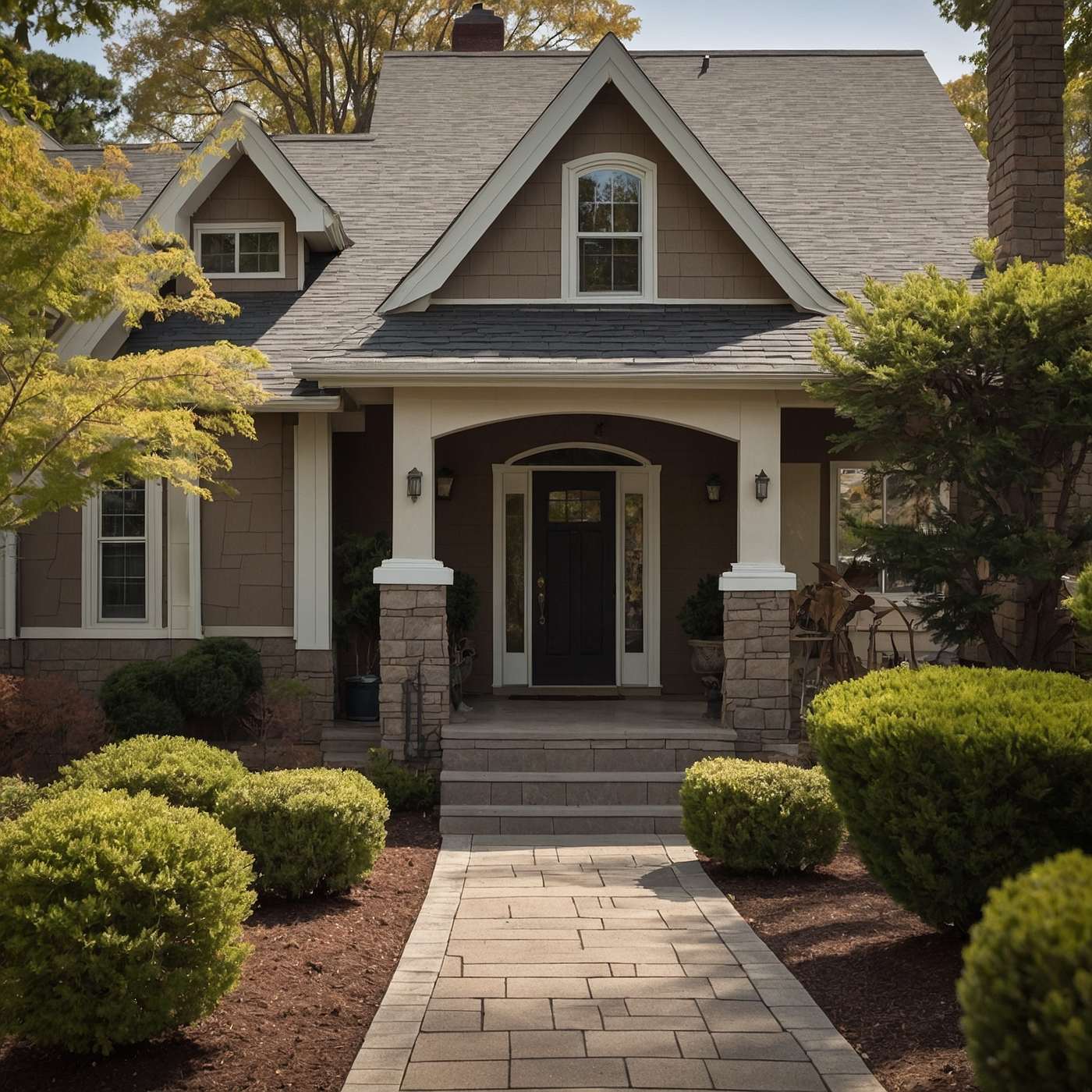
Using what your town tells you before a project starts
The goal of this page is not to scare you about the problems that can show up in your area, but rather to give you specific knowledge about what to watch for, what questions to ask a contractor when you are preparing for work, and what conditions your house will continue to face going forward. If you are planning a roofing or siding project, you can use this table to understand what your house has already faced and weathered over the years, and what additional stresses and exposures it will experience in the seasons and years to come. This knowledge helps you make genuinely good decisions about materials and installation methods and timing, rather than guessing or settling for whatever is cheapest right now. Most of the time, the right choice is materials and installation methods that have proven to work specifically in your town and in your regional climate, not what works everywhere or what sales people tell you is best. If you have a question about your house specifically, or you are trying to understand whether a problem you have noticed is normal for your area and your house age and construction style, that is exactly what we are here for and what we can help with. Feel free to send us a question with the details of your situation—your town, your house age, the particular roof or siding issue that concerns you—and we will give you the benefit of what we know about how houses like yours perform on the South Shore from our years of watching them weather and age.
Siding takes the same beating near the water. Salt air chalks vinyl and lifts the paint on wood trim faster than anything inland, and how the panels are hung and sealed matters as much as what you buy. Select Pro Contracting does siding work on the South Shore too, and it is worth asking them how they hang and seal panels before you collect siding quotes in any of these towns.